Join Martial Arts Club
Boxing gloves, wraps and home training gear: a beginner's buying guide
You don't need much gear to start a striking class: most gyms lend gloves for trial sessions. Once you're hooked, a few good pieces make training safer and more comfortable. Here's what to buy first and what can wait.
1. Hand wraps
Wraps go on before your gloves and support your wrist and the small bones of your hand. A common length for adults is around 4 to 4.5 metres. Wash them after every session.
2. Gloves: what the ounces mean
Glove weight (in ounces) is mostly padding. More padding protects your hands and your training partner. As a rule of thumb (your gym's rules come first):
| Use | Common choice |
|---|---|
| Kids | 4 to 8 oz, depending on age and size |
| Bag and pad work, smaller adults | 10 to 12 oz |
| Bag and pad work, most adults | 12 to 14 oz |
| Sparring | Often 14 to 16 oz, heavier for bigger people |
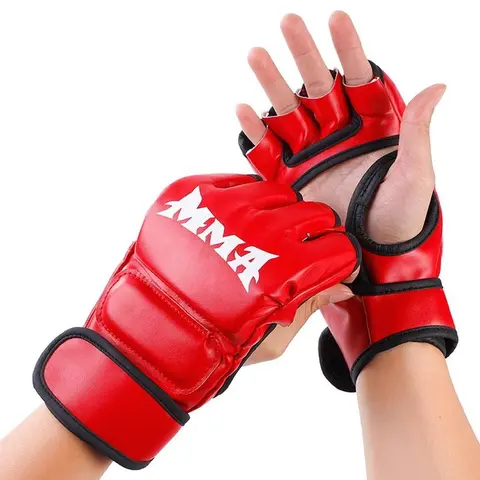
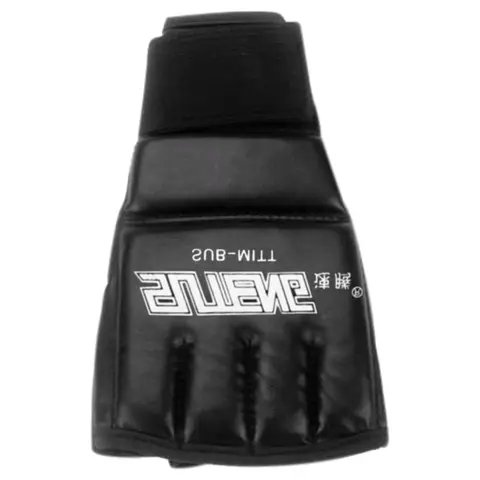
Lace-up gloves fit snugly but need help to tie. Hook-and-loop (velcro) gloves are easier for training. MMA gloves (4 to 7 oz, open fingers) are for grappling and MMA, not general bag work.
3. Mouthguard
If you'll spar, you need a mouthguard. The Australian Dental Association says a custom-fitted mouthguard made by a dentist gives the most protection, while store-bought guards often fit poorly. Many people start with a boil-and-bite guard and upgrade once they're training regularly.
4. Shin guards and other protection
Kickboxing and Muay Thai sparring usually require shin guards. Many gyms also ask for a groin guard, and some for headgear. Check what your gym requires before you buy.
Setting up a home training space
- A skipping rope is the cheapest, most useful piece of conditioning gear for any striker.
- A punching bag: a freestanding bag needs no mounting; a hanging bag needs a strong beam or a bracket rated well above the bag's weight. Never hang a bag from plasterboard or a ceiling you're not sure about.
- A mat: a firm exercise mat or interlocking floor tiles protect floors and joints for footwork, conditioning and stretching. Don't practise throws or breakfalls at home without proper crash mats and supervision.
- Resistance bands and a foam roller for warm-ups and recovery.
Look after your gear
Air gloves out after every session (don't leave them zipped in a bag), wash wraps and clothing, and wipe down pads and mats. Damp gear smells, wears out faster and can spread skin infections.
Before buying, ask your coach. Many clubs have preferred brands or require specific gear for gradings and sparring.
Frequently asked questions
What size boxing gloves should a beginner buy?
Many coaches suggest 12 to 14 oz for general training for most adults and 16 oz for heavier adults or sparring. Kids and smaller adults often use 6 to 10 oz. Ask your gym, because many set a minimum for sparring.
Do I need hand wraps under gloves?
Yes for bag and pad work. Wraps support your wrist and knuckles and help prevent injuries. Learn to wrap from your coach.
Sources and further reading
- Sports mouthguards (Australian Dental Association)
- Concussion and brain health (Australian Sports Commission)
Sources checked 17 November 2026. Rules and advice change, so follow the official page if it differs from this guide.