Join Martial Arts Club
Which martial art is right for you? Striking, grappling and hybrid styles compared
Most martial arts fall into three broad groups: striking (punches and kicks), grappling (throws, holds and submissions) and hybrid styles that combine them. Knowing which group appeals to you narrows the choice fast.
Striking arts
| Style | What you learn | Good to know |
|---|---|---|
| Karate | Punches, kicks, blocks, kata (forms) and kumite (sparring) | Many styles (Shotokan, Goju-ryu, Kyokushin and others) with different contact levels. Karate was on the Tokyo 2020 Olympic programme. |
| Taekwondo | Fast, high and spinning kicks, patterns and sparring | An Olympic sport. Two main branches: World Taekwondo (Olympic style) and ITF. |
| Boxing | Punching, footwork, head movement and defence | Simple to start and very fit. Many gyms run non-contact fitness classes. |
| Kickboxing | Punches and kicks | Often taught as fitness; rules vary between organisations. |
| Muay Thai | Punches, kicks, elbows, knees and the clinch | Known as "the art of eight limbs". Conditioning is a big part of training. |
| Kung fu / Wing Chun | Forms, strikes, stances, sometimes weapons | A huge family of Chinese styles; ask what a typical class involves. |
Grappling arts
| Style | What you learn | Good to know |
|---|---|---|
| Judo | Throws, pins, chokes and armlocks; safe falling (ukemi) | An Olympic sport since 1964. Great for balance and learning to fall safely. |
| Brazilian Jiu-Jitsu (BJJ) | Ground positions, sweeps, escapes and submissions | Lots of live "rolling" with a resisting partner, often at a controlled pace. Gi and no-gi classes. |
| Wrestling | Takedowns, control and pins | Very physical; strong in school and college programmes in some countries. |
| Aikido | Throws and joint locks using an attacker's movement | Generally cooperative practice without competition. |
Hybrid and self-defence styles
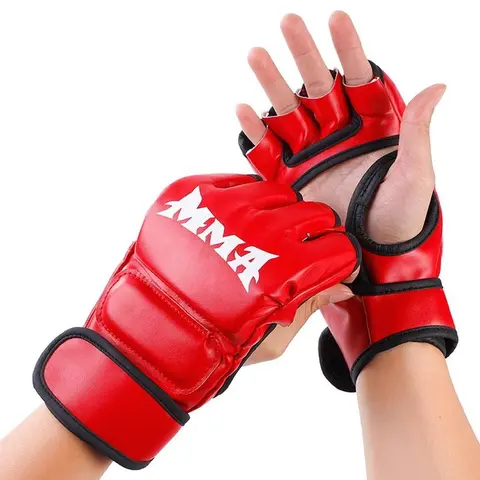
MMA combines striking, wrestling and submission grappling. Most MMA gyms teach the parts separately (for example a boxing class, a wrestling class and a BJJ class) and bring them together in MMA sessions. Krav Maga and general self-defence classes focus on practical scenarios and awareness rather than sport. Japanese jiu-jitsu and hapkido mix strikes, throws and locks.
Questions to narrow it down
- Do you want to compete? Look for clubs with a competition team, whatever the style.
- How do you feel about contact? Grappling arts involve close contact but usually no strikes to the head. Striking arts vary from no-contact to full-contact sparring.
- Do you enjoy structure and tradition? Traditional arts like karate, judo and aikido usually have formal etiquette and a clear grading syllabus.
- What's your body telling you? If you have joint or back problems, talk to your doctor and the coach. Some styles and classes are gentler than others.
Still unsure? Try a class in one striking art and one grappling art, then decide. Search the directory by style and location, or read how to choose a club.
Frequently asked questions
What is the best martial art for self-defence?
There's no single answer. Many coaches suggest combining a striking art with a grappling art, and training with resisting partners. A dedicated self-defence class also covers awareness and avoiding trouble, which matters most.
Which martial art is best for fitness?
Boxing, kickboxing, Muay Thai and BJJ classes are usually very demanding. But any style will improve your fitness if you train regularly.
Sources and further reading
- World Taekwondo (World Taekwondo)
- International Judo Federation (IJF)
- World Karate Federation (WKF)
- IFMA: International Federation of Muaythai Associations (IFMA)
Sources checked 17 November 2026. Rules and advice change, so follow the official page if it differs from this guide.