Join Martial Arts Club
Martial arts for kids: a parent's guide to ages, styles and safety
Martial arts can give kids fitness, coordination, confidence and friends, all in one activity. The World Health Organization recommends children and adolescents aged 5 to 17 do an average of at least 60 minutes a day of moderate-to-vigorous physical activity, and a couple of martial arts classes a week is a fun way to contribute to that.
What age to start
- About 4 to 6: short, playful classes focused on balance, coordination, listening and taking turns. Expect lots of games.
- About 6 to 12: structured classes with a grading syllabus. Kids learn real technique and usually love working towards new belts.
- Teens: can often join adult classes or a teen class, and may start competing.
Readiness matters more than age. Can your child follow simple instructions in a group for 30 to 45 minutes? If so, try a class.
Which style?
- Judo and BJJ teach control without punches or kicks, and judo is excellent for learning to fall safely.
- Karate and taekwondo are widely available, very structured and have clear grading steps that motivate kids.
- Boxing and Muay Thai kids' classes usually focus on fitness and pad work, with little or no contact sparring for younger children.
The coach and the class matter more than the style. Watch a session before you commit.
Child-safety questions to ask any club
- Do all coaches and helpers have a current working with children check? In Australia this is a state or territory requirement for most people working with children (in Queensland it's the blue card). Other countries have their own checks, such as DBS checks in the UK.
- Does the club have a child-safe or safeguarding policy, and a named person to contact with concerns?
- Can parents watch? Good clubs welcome parents and have open viewing areas.
- How are kids matched for partner work and sparring? By age, size and experience, with close supervision.
- What's the approach to head knocks? Any suspected concussion should mean stopping training and seeing a doctor. See the Australian Sports Commission's concussion resources.
- How does the club communicate with children? Messages should go through parents, not private chats with kids.
Gear and costs
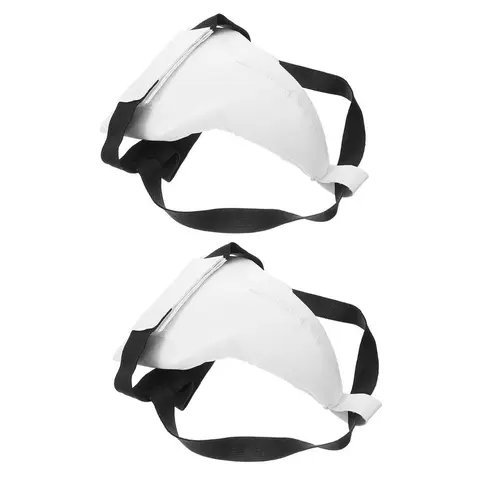
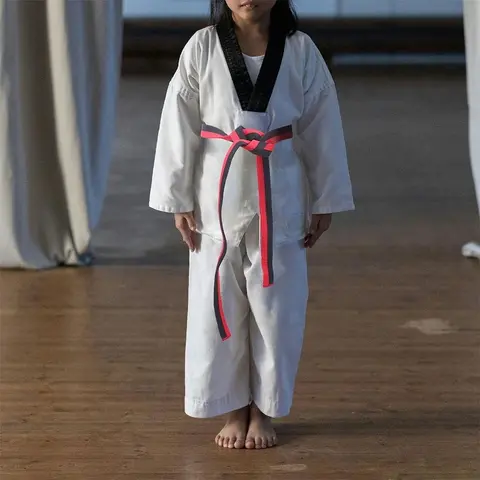
Most clubs ask beginners to train in sportswear, then buy a uniform once they join. Striking classes may ask for a mouthguard. The Australian Dental Association says a custom-fitted mouthguard from a dentist gives the most protection. Ask about joining fees, grading fees and contract terms up front, and look for a trial period before any long contract.
Signs it's a good fit
- Your child comes out tired and happy, and wants to go back.
- Coaches know your child's name and give individual feedback.
- Respect goes both ways: coaches are firm but never humiliate children.
Find clubs with kids' classes in the directory (tick "Kids' classes" when you search).
Frequently asked questions
What age can kids start martial arts?
Many clubs run classes from about age 4 or 5, often called little dragons, tigers or similar, focused on coordination, listening and play. Structured technique usually starts around 6 to 8. Every child is different, so a trial class is the best test.
Do martial arts make kids more aggressive?
A well-run club teaches control, respect and when not to fight. Watch a class: good coaches reward discipline and kindness, not aggression.
What child-safety checks should a club have in Australia?
People who work with children generally need a Working With Children Check in their state or territory (in Queensland, a blue card). Also ask about the club's child-safe policy and how it handles complaints.
Sources and further reading
- Safeguarding in sport (Sport Integrity Australia)
- Play by the Rules: child safety in sport (Play by the Rules)
- Blue card (Queensland working with children check) (Queensland Government)
- Physical activity fact sheet (World Health Organization)
- Sports mouthguards (Australian Dental Association)
- Concussion and brain health (Australian Sports Commission)
Sources checked 17 November 2026. Rules and advice change, so follow the official page if it differs from this guide.